GenoScreen Expertise
News 21/01/2026 — Les sociétés Staphyt, consultant en affaires réglementaires et prestataire en expérimentation agricole et évaluation de risques, et GenoScreen, pionnière et spécialiste des solutions génomiques et bioinformatiques, annoncent la signature d’un accord de collaboration stratégique. Lire la suite Poursuivant son programme de mise à jour réglementaire pour les industries Food et Feed, l’EFSA […]
GenoBiome® – All-in-one diagnostic solution for microbiome
Genomics has revolutionized the study of microbiomes by enabling in-depth analysis of the DNA of micro-organisms present. Based on this approach, GenoBiome® makes it possible to characterise microbial diversity, identify specific species and study the interactions between these micro-organisms and their environment.
Skin microbiome analysis

The skin’s microbiota is made up of billions of microorganisms, covering various species, living in community and closely linked to skin health. Increasingly, the microflora is being studied using genomics solutions, and GenoScreen has developed a complete solution for analysing the skin microbiome. These technologies open up new prospects for the development of cosmetics, skincare […]
The analysis of microbial communities (microbiotas)
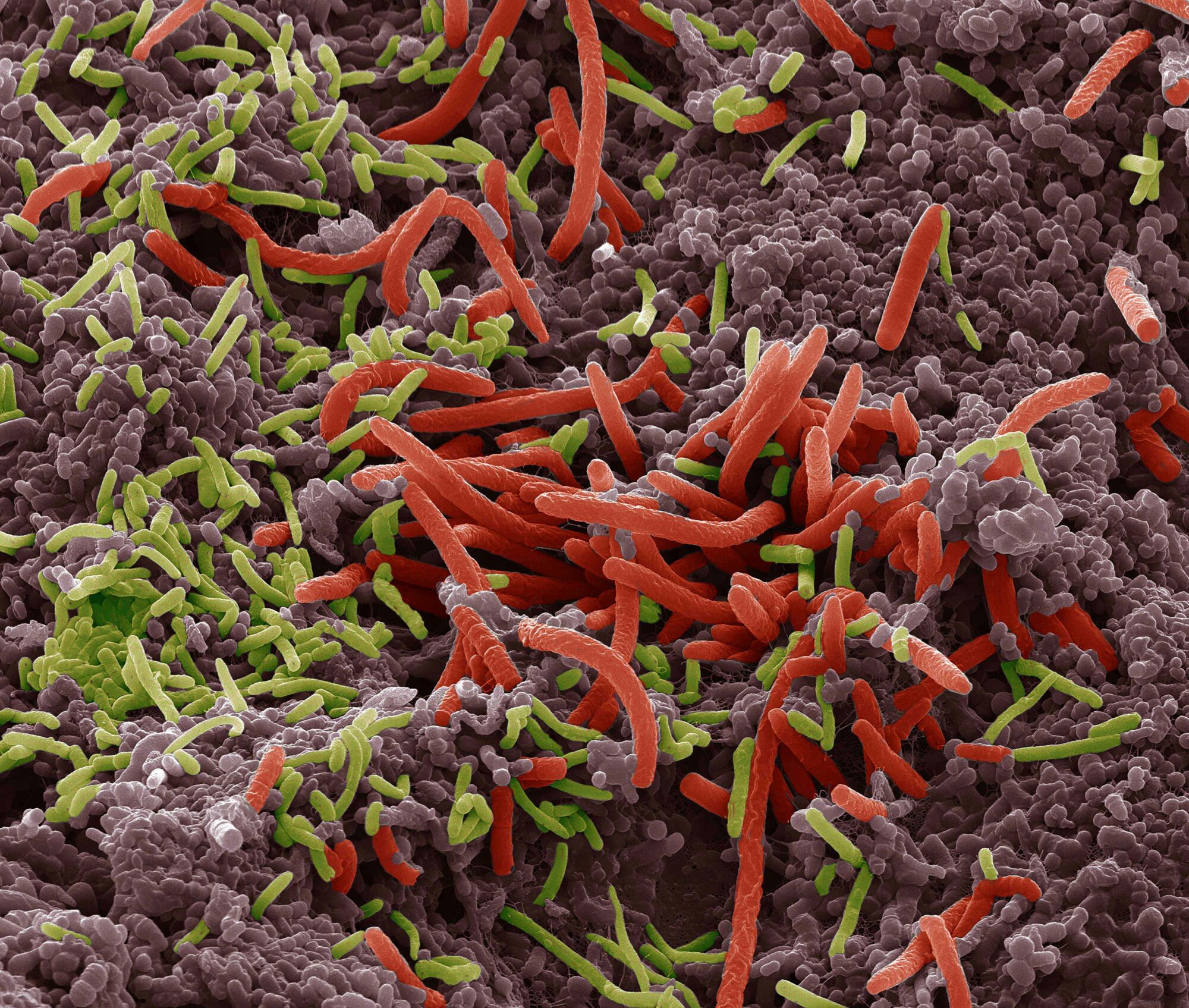
A microbiota analysis provides information on the entire set of microorganisms (bacteria, yeasts, fungi, algae, etc.) present in a given sample. This type of analysis is now crucial in the evolution of research in human and animal health, nutrition, environment and biotech. As a leading provider of genome analysis services, GenoScreen provides powerful, comprehensive solutions […]
Characterization and tracking of isolated microorganisms

By applying a broad panel of genomic technologies and services, Genoscreen provides various solutions in identifying microorganisms via DNA sequencing and comparison with international databases.
These powerful and precised solutions are able to identify and characterize the microorganisms of interest: the species, the sub-species or the strain, typing, tracking and antibiotic resistance.
Identification and characterization
In order to identify a specie, ribosomal DNA regions targeted are adapted to each microorganism.
Additionally, to refine and adapt the identification to your needs, other genomic targets (rpoB and gyrB genes, etc.) are then used (discrimination within a group of species sharing the same ribosomal DNA sequence, for example).
Genoscreen can also leverage its know-how in whole-genome sequencing for a more precised characterization of a strain : virulence, antibiotic resistance, genomic comparisons with the strain library, etc.
Microbial typing and tracking
Our solution precisely characterizes any microorganism at the sub-species or strain level by using standardized, validated molecular methods, such as multilocus sequence typing (MLST) and multiple loci VNTR analysis (MLVA).
The typing schemes in open-access databases (PubMLST, MLST.org and MicrobesGenotyping) are used as references for these analyses.
The analysis can also be performed on a custom typing scheme.
Genoscreen, the world leader in tuberculosis genotyping
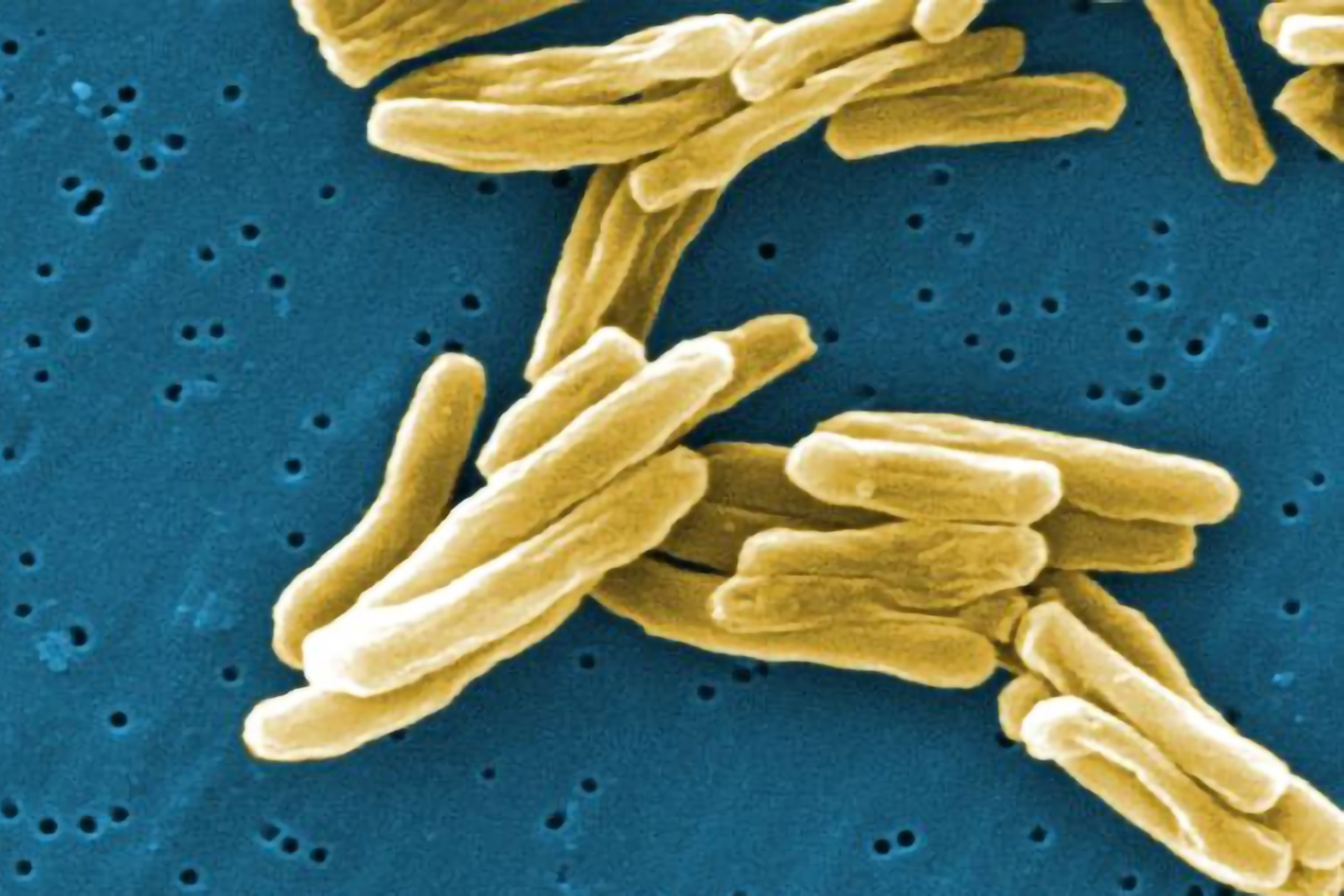
Credits to its cutting-edge technological know-how, Genoscreen is now the leader worldwide in genotyping and tracking of the Mycobacterium tuberculosis complex strains (the agent that causes tuberculosis).
The MIRU-VNTR solution developed by our teams is used as a kit or a service by many healthcare centers and research groups. A complementary spoligotyping approach is also available for identifying sub-species.
We propose kits and training courses for the implementation and an optimized use of the MIRU-VNTR method on Applied Biosystems® and QIAGEN® sequencers in your hospital or lab.
Antibiotic resistance
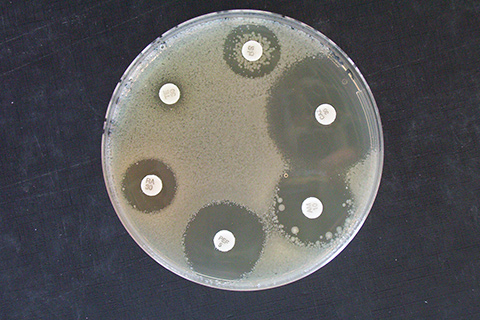
Genoscreen determines antibiotic resistance profiles via targeted sequencing of genes known to be associated with antibiotic resistance or by whole-genome sequencing. The sequences are compared with open-access databases or the literature data.
In-depth NGS sequencing can detect the presence of low-frequency variants conferring resistance (heteroresistance).

Deeplex®-MycTB – The all-in-one solution for characterizing Mycobacterium tuberculosis
The Deeplex®-MycTB solution developed by Genoscreen is a major innovation for the identification, characterization and epidemiological surveillance of tuberculosis for research purposes.
Deeplex®-MycTB is an all-in-one test for species-level identification, genotyping and prediction of antibiotic resistance in Mycobacterium tuberculosis complex strains.
Bacterial and fungal profiling via targeted metagenomics – Speed and precision
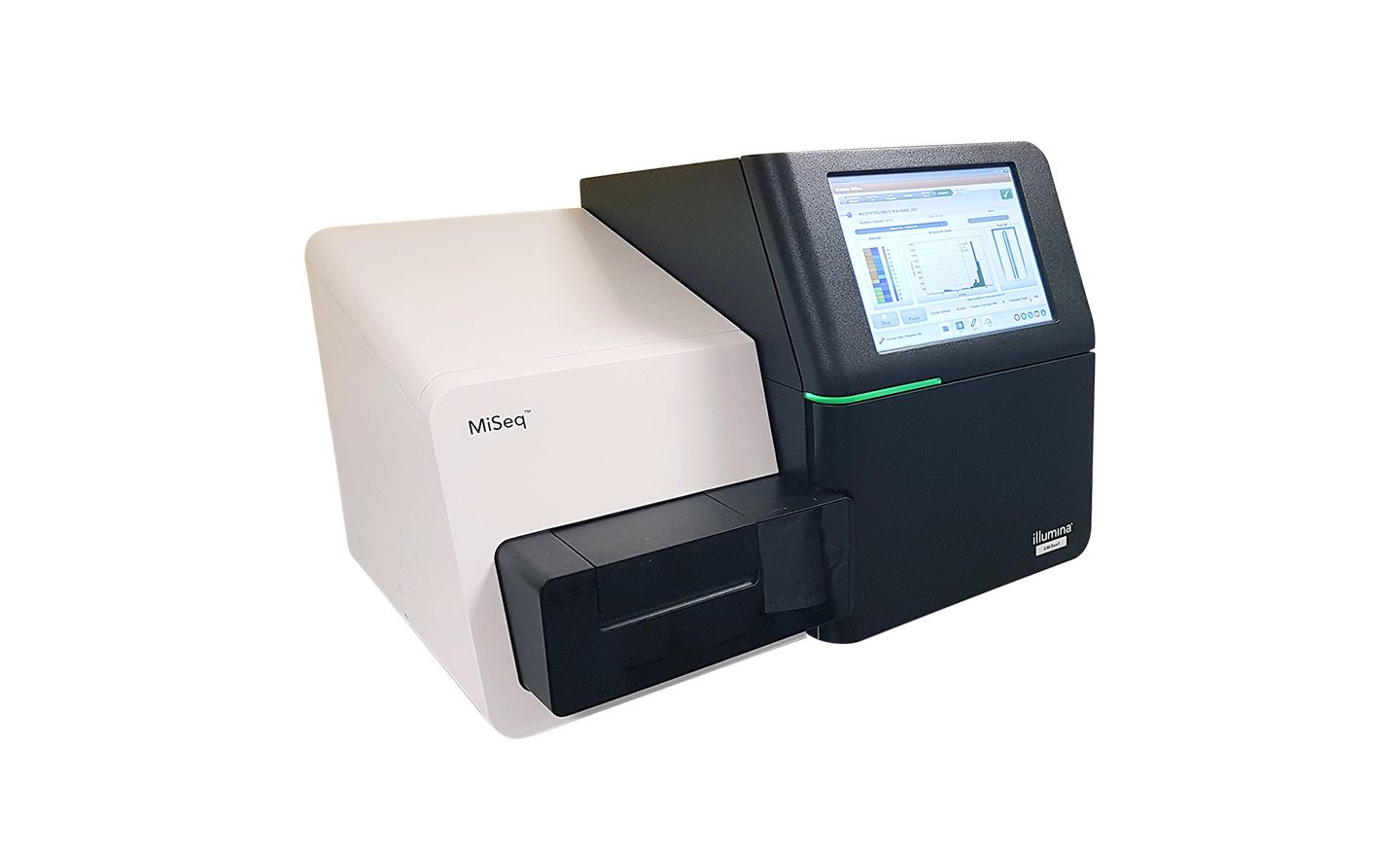
The advent of next-generation sequencing technologies has revolutionized molecular approaches aiming to describe the diversity and taxonomic composition of a microorganism-containing sample. In fact, this type of analysis used to be based on the analysis of the rRNA16S and rRNA18S/28S genes using PCR amplification, cloning and Sanger sequencing. These approaches were time-consuming, fastidious and, often, […]
DNA/RNA extraction
Given the fact that molecular analyses of bacterial communities are based on DNA and/or RNA, the extraction of these molecules from the initial sample represents a critical step. The DNA and RNA extraction methods must be as stable and unbiased as possible, because the objective is to study the microbiota inside its initial ecological niche […]
Metatranscriptomics – An analysis of enzymatic functions and metabolic pathways
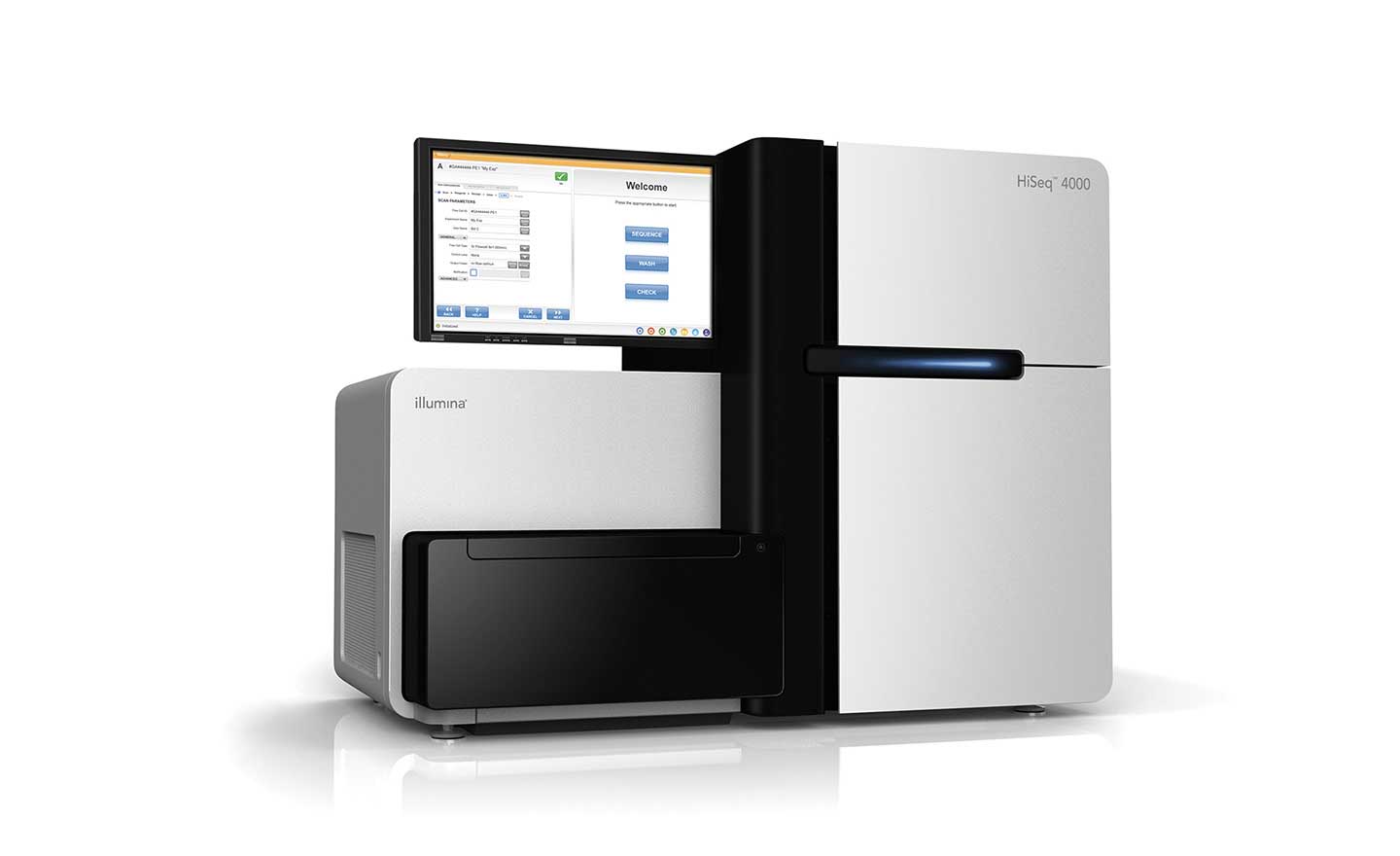
The metatranscriptome corresponds to the whole set of genes and functions expressed (i.e. the transcriptomes) by the microorganisms in a sample. Applications Metatranscriptomics opens up many fields of analysis: GenoScreen – Services provided The GenoScreen teams can investigate the initial matrix by extracting all the RNA produced by the microorganisms present in the sample. The […]
Shotgun metagenomics – A non-targeting approaches
As a complement to targeted approaches (which examine small, specific regions of ribosomal genes), this metagenomics approach is based on the shotgun sequencing of all the DNA extracted from a sample. This analysis allows to describe the taxonomy, diversity, genes and functional capacities of a community of organisms. It can also, usefully, complement profiling studies […]
Detection and quantification of specific bacteria in communities

As a complement to NGS-based approaches, such as microbial profiling or to target specific bacterial families or species (e. g. probiotics), quantitative approaches that analyze changes in relative abundance are also possible. Applications This approach can considerably be used to confirm the observations made by targeted metagenomics : this is a very useful tool in […]